
- UK Information
- UK Guidebooks and Maps
- UK Books for counties
- Argyll books and maps
Argyll books and maps
Here is a list of books for Argyll that you may find useful.Argyll books: Travel Guides
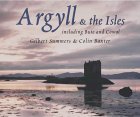
Argyll and the Isles
With its complicated scattering of islands, sea passages and mountains, Argyll is one of the most beguiling parts of Scotland for tourist, wildlife enthusiast or historian. This guide to the best of island and mainland, captures the very essence of Argyll and the Isles.
Price: £5.95
Publication: April 15, 2003


With its complicated scattering of islands, sea passages and mountains, Argyll is one of the most beguiling parts of Scotland for tourist, wildlife enthusiast or historian. This guide to the best of island and mainland, captures the very essence of Argyll and the Isles.
Price: £5.95
Publication: April 15, 2003
Argyll books: History & Heritage
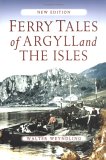
Ferry Tales of Argyll and the Isles
"Ferry Tales of Argyll and the Isles" is a fascinating record of the ferries that ply the waters off the west coast of Scotland, and which have been part of the fabric of life in this part of Scotland for generations. For visitors these ferries are the ideal and, in some cases, the only way to get about. In this new and expanded edition, Walter Weyndling, who worked with the ferries of western Scotland for many years after the Second World War, recounts with warmth and humour the real story of the ferries, their routes, the people who ran them, the people who used them and the communities they served. He includes a wealth of stories gleaned from archives and personal experience. The result is a marvellous portrayal of a subject of enduring interest for local inhabitants and visitors alike.
Price: £9.15
Publication: July 31, 2003
"Ferry Tales of Argyll and the Isles" is a fascinating record of the ferries that ply the waters off the west coast of Scotland, and which have been part of the fabric of life in this part of Scotland for generations. For visitors these ferries are the ideal and, in some cases, the only way to get about. In this new and expanded edition, Walter Weyndling, who worked with the ferries of western Scotland for many years after the Second World War, recounts with warmth and humour the real story of the ferries, their routes, the people who ran them, the people who used them and the communities they served. He includes a wealth of stories gleaned from archives and personal experience. The result is a marvellous portrayal of a subject of enduring interest for local inhabitants and visitors alike.
Price: £9.15
Publication: July 31, 2003
Argyll books: Art & Culture
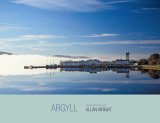
Argyll (Images of Scotland)
These books are not simply pictures of what we can see from our car window, nor simply misty landscapes but photography which gets to the heart of both the landscape and its human component. While covering all the main attractions in an area the photographers have sought out the quirky, the curious and the unknown to give a new dimension to a land we all thought we knew. Argyll - the enduring heartland - with a coastline longer than that of France is one of the most beautiful counties in Scotland and also one of the most varied. From holiday towns on the Clyde to the stark grandeur of Ardnamurchan, from the great inland sea of Loch Awe to the flat plain of the Add - the Great Moss, its range of scenery is astonishing. The seat of the reputed Dark Age capital of the Kingdom of Scots, of romantic castles such as Stalker and Kilchurn, of great houses such as Inveraray, it is a landscape moulded by man from earliest times. This is the first photographic study to concentrate on a county which in many ways remains still a kingdom apart.
Price: £9.99
Publication: 23 Sep 2005 [Paperback]
These books are not simply pictures of what we can see from our car window, nor simply misty landscapes but photography which gets to the heart of both the landscape and its human component. While covering all the main attractions in an area the photographers have sought out the quirky, the curious and the unknown to give a new dimension to a land we all thought we knew. Argyll - the enduring heartland - with a coastline longer than that of France is one of the most beautiful counties in Scotland and also one of the most varied. From holiday towns on the Clyde to the stark grandeur of Ardnamurchan, from the great inland sea of Loch Awe to the flat plain of the Add - the Great Moss, its range of scenery is astonishing. The seat of the reputed Dark Age capital of the Kingdom of Scots, of romantic castles such as Stalker and Kilchurn, of great houses such as Inveraray, it is a landscape moulded by man from earliest times. This is the first photographic study to concentrate on a county which in many ways remains still a kingdom apart.
Price: £9.99
Publication: 23 Sep 2005 [Paperback]
The Argyll
books listed on this page are for your information and to help you find the books you need quickly. We do not endorse any particular books and are not responsible for the advice and information in the books listed.
The price of books, where indicated, was correct at the time the book was added to this page. Prices may have changed on the booksellers web site.